Origin and science
Hunan vine tea sourcing and a named scientific advisor, Dr. Zhang Yousheng, author of Vine Tea Science.
 Tianyi Health Tech
Ampelopsis grossedentata · Hunan, China
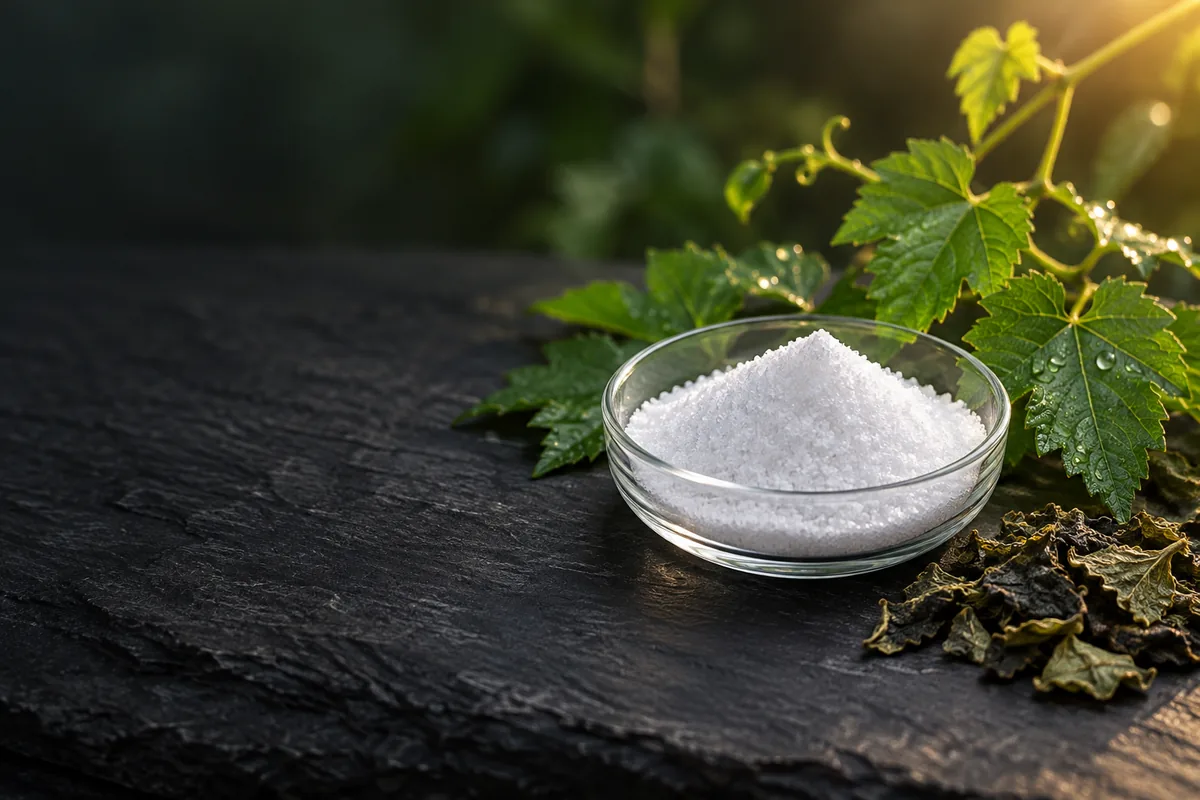
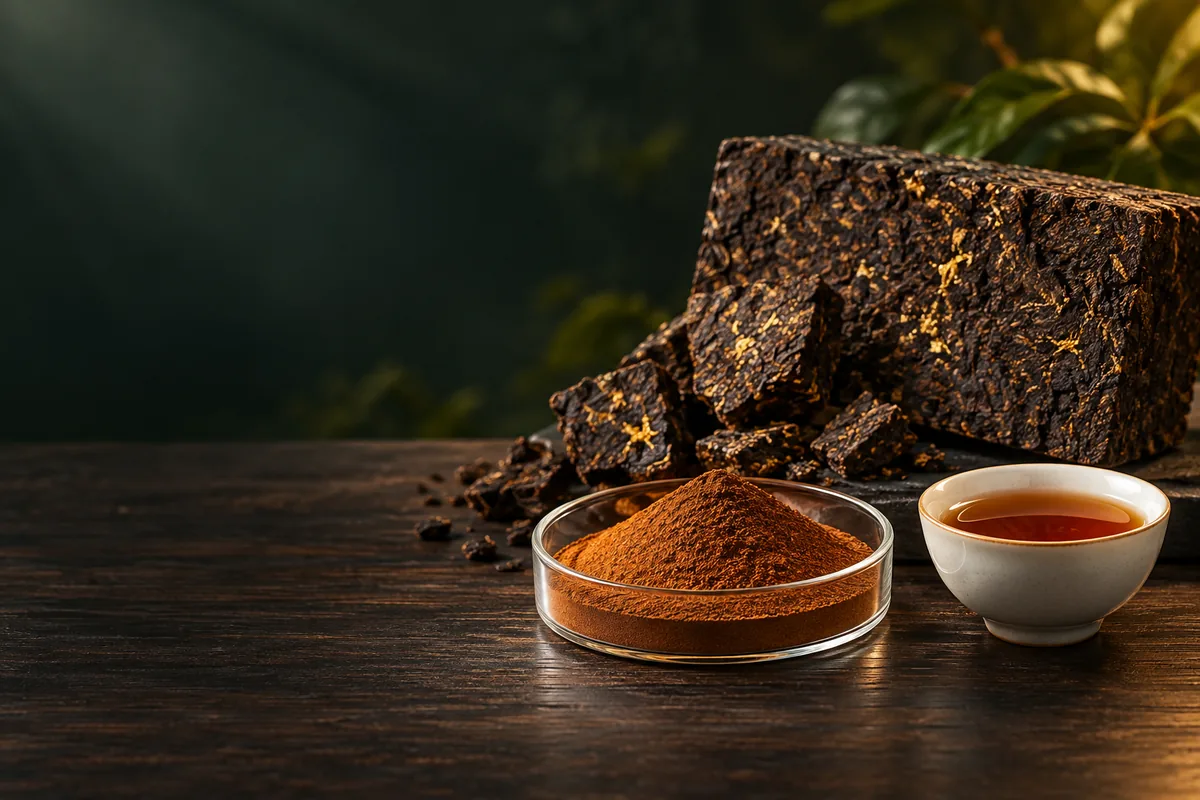
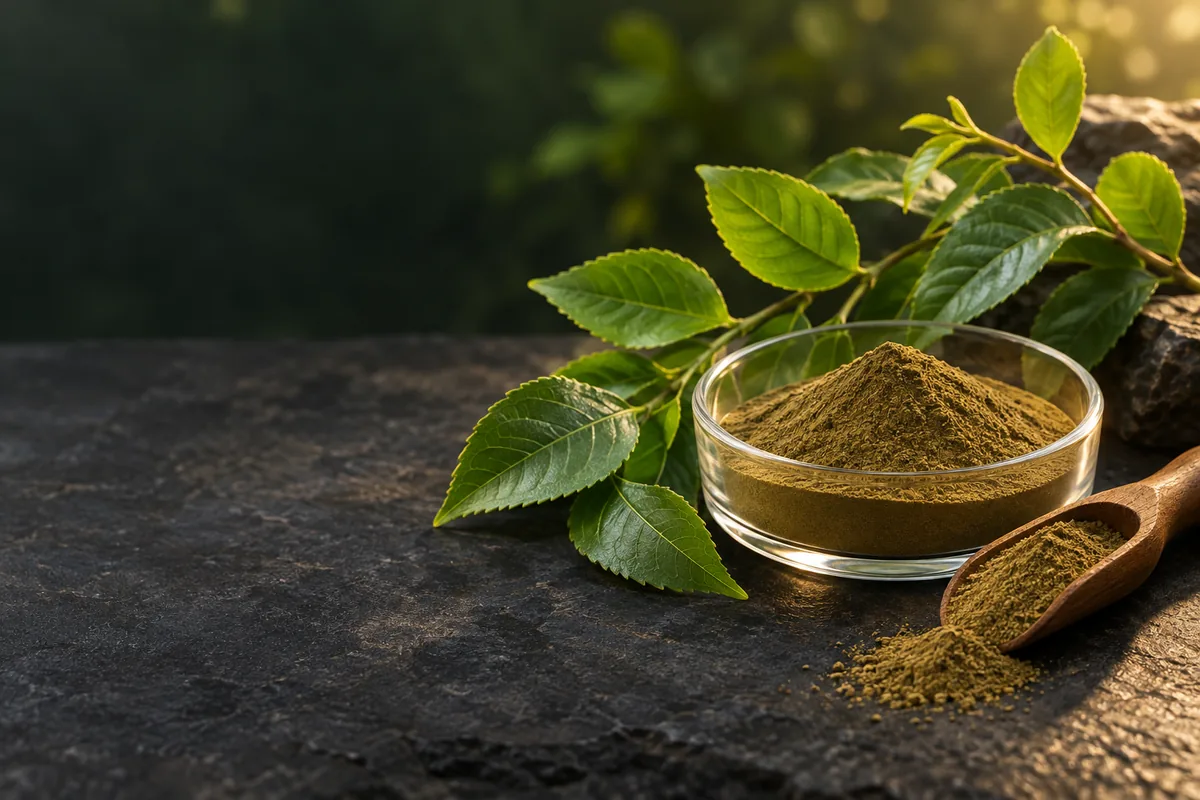
Tianyi Health Tech supplies bulk vine tea extract (Ampelopsis grossedentata) to supplement, tea and functional beverage brands, with private-label and OEM/ODM support and a COA for each batch. Our standard grade is a total-flavonoid extract in the ~45% class, and we also supply high-purity dihydromyricetin (DHM) powder at 98% for formulas that need a single standardized active.

Specification
| Parameter | Specification | Method |
|---|---|---|
| Identity | ||
| Product name | Vine tea extract | |
| Botanical source | Ampelopsis grossedentata (vine tea; also rattan tea, teng cha, mei cha) | |
| Part used | Leaf | |
| Origin | Hunan, China (Zhangjiajie, Yongshun) | |
| Grades | ||
| Grade A: total flavonoids | ~45% class (COA prevails) | Per COA |
| Grade B: dihydromyricetin (DHM) | DHM 98% by HPLC · full specification | HPLC |
| Other grades | Other DMY / total-flavonoid levels available on request | |
| Typical data (Grade A) | ||
| Supply | ||
| Documents | Specification sheet and batch COA on request | |
Total-flavonoid values are quoted as a class and the batch COA prevails. Full limits for each grade are confirmed with the quotation.
Overview
Vine tea is the leaf of Ampelopsis grossedentata, a climbing plant of southern China traditionally brewed as a herbal tea and known in Hunan as mei cha. It is notable for its very high flavonoid content. The key constituent is dihydromyricetin (DHM), which can reach 20–30% in young leaves, alongside myricetin and other flavonoids. If you need the purified compound rather than the whole-leaf extract, see our dihydromyricetin (DHM) powder.
Our vine tea comes from Hunan, mainly the Zhangjiajie and Yongshun areas. The program is advised by Dr. Zhang Yousheng, research fellow and author of Vine Tea Science, one of the leading vine tea researchers in China.
Choose a grade
| Feature | Vine tea extract (Grade A) | Dihydromyricetin (Grade B) |
|---|---|---|
| Standardized to | Total flavonoids (~45% class) | DHM 98% (HPLC) |
| What you get | Whole-leaf flavonoid profile | One purified compound |
| Best for | Herbal teas, instant drinks, broad flavonoid positioning, cost-sensitive blends | Capsules, stick packs, precise single-active dosing |
| Page | This page | DHM powder |
For an in-depth breakdown of HPLC assays, specifications and formulation recommendations, read our comparison guide: Dihydromyricetin (DHM) vs Vine Tea Extract: Differences, Specifications and Sourcing.
Research
Vine tea flavonoids, led by DHM, are studied for antioxidant behavior and for their role in liver-related and metabolic pathways. Most of this work is preclinical. The papers below are listed for R&D reference only and describe research, not claims about our product.
Selected references
Buyer's guide
Vine tea extract quality varies widely between suppliers. Before you place an order, ask for these six things:
We share the specification and batch COA on request, and we are glad to answer any of these questions before you buy.
Applications
OEM / ODM
Why Tianyi
Hunan vine tea sourcing and a named scientific advisor, Dr. Zhang Yousheng, author of Vine Tea Science.
Total-flavonoid extract and DHM 98% from the same program, so you can compare or combine.
Specification sheet and batch COA on request.
A direct export contact, email support and formulation guidance.
Quality
Each lot is tested against its specification, with HPLC assay, heavy metals, microbiology and residual solvents available on the COA. The DHM grade follows the full specification on our DHM page. Vine tea leaf ingredients can be subject to local novel-food or similar rules; please confirm the status for your market before launch.
See also Quality & Certifications.
More ingredients
FAQ
Vine tea extract is a whole-leaf extract standardized to total flavonoids (our standard grade is in the ~45% class), so it carries the full flavonoid profile of the leaf. DHM is the single purified compound; our dihydromyricetin (DHM) powder is specified at 98% by HPLC. Choose the extract for a broad flavonoid profile and cost efficiency, and DHM when you need one standardized active.
A total-flavonoid grade in the ~45% class (the COA prevails) and a high-purity DHM 98% grade. Other DMY or total-flavonoid levels can be discussed to match your cost and labeling strategy. See our DHM vs vine tea extract comparison.
Our vine tea is sourced from Hunan, China, mainly the Zhangjiajie and Yongshun areas.
Yes. Vine tea, rattan tea (teng cha) and Zhangjiajie berry tea (mei cha) all refer to the leaves of Ampelopsis grossedentata. Always check that the botanical name is on the COA, because other Ampelopsis species are not the same material.
A specification sheet and batch COA on request, with HPLC assay and contaminant testing details. Full spec for each grade is confirmed with your quotation.
Yes, samples can be arranged for formulation and testing. Use the quote form or email us and we reply within 24 hours.
Request a quote
Last updated: 13 October 2026
Research and clinical information is provided for R&D and B2B reference only. These statements have not been evaluated by the Food and Drug Administration. Our ingredients are not intended to diagnose, treat, cure or prevent any disease. Final specifications and regulatory status are confirmed per commercial agreement.